

Table of Contents
Anxiety is a common emotional response characterized by feelings of worry, nervousness, or unease. While a certain amount of anxiety is a normal part of life, excessive or chronic anxiety can interfere with daily functioning and overall quality of life. Understanding the nature of anxiety and employing effective management techniques can help alleviate its impact. This article explores the causes of anxiety and provides practical tools and techniques for relief.
Understanding Anxiety
1. What is Anxiety?
Anxiety is a natural response to stress and uncertainty. It manifests as physical symptoms (such as increased heart rate and sweating), emotional symptoms (like excessive worry or fear), and behavioral changes (such as avoidance or restlessness). Anxiety can be categorized into different types, including generalized anxiety disorder (GAD), social anxiety disorder, panic disorder, and specific phobias.

1.1. Causes and Triggers
Anxiety can be triggered by various factors, including:
- Genetics: A family history of anxiety or other mental health disorders can increase susceptibility.
- Brain Chemistry: Imbalances in neurotransmitters, such as serotonin and norepinephrine, can contribute to anxiety.
- Life Experiences: Traumatic events, chronic stress, or significant life changes can trigger or exacerbate anxiety.
- Environmental Factors: Stressful work environments, relationship issues, or financial problems can also be contributing factors.
Tools and Techniques for Managing Anxiety
2. Cognitive Behavioral Therapy (CBT)
2.1. What is CBT?
Cognitive Behavioral Therapy (CBT) is a widely used therapeutic approach that focuses on changing negative thought patterns and behaviors. CBT helps individuals identify and challenge irrational or distorted thoughts, replace them with more realistic ones, and develop coping strategies.
2.2. Benefits of CBT
- Thought Restructuring: CBT helps reframe negative thoughts and beliefs that contribute to anxiety. By changing how you think about stressors, you can reduce their emotional impact.
- Behavioral Strategies: CBT incorporates practical techniques to manage anxiety, such as gradual exposure to feared situations and relaxation exercises.
- Skill Development: CBT teaches coping skills and problem-solving techniques to handle anxiety-provoking situations more effectively.
2.3. Getting Started with CBT
To explore CBT, consider seeking a licensed therapist trained in CBT techniques. Many therapists offer both in-person and online sessions. CBT can also be accessed through self-help books and online resources, but professional guidance can provide tailored support.

3. Mindfulness and Meditation
3.1. What is Mindfulness?
Mindfulness involves paying attention to the present moment with acceptance and without judgment. It encourages awareness of thoughts, feelings, and bodily sensations, helping individuals remain grounded and focused.
3.2. Benefits of Mindfulness
- Stress Reduction: Mindfulness practices, such as meditation, can reduce stress and anxiety by promoting relaxation and a sense of calm.
- Improved Emotional Regulation: Mindfulness helps individuals observe their emotions without becoming overwhelmed, leading to better emotional control.
- Increased Self-Awareness: Mindfulness enhances self-awareness, allowing individuals to recognize anxiety triggers and respond more effectively.
3.3. Practicing Mindfulness
Incorporate mindfulness into your daily routine by setting aside a few minutes each day for meditation or mindful breathing exercises. There are numerous apps and online resources available to guide you through mindfulness practices.
4. Physical Activity and Exercise
4.1. Benefits of Exercise
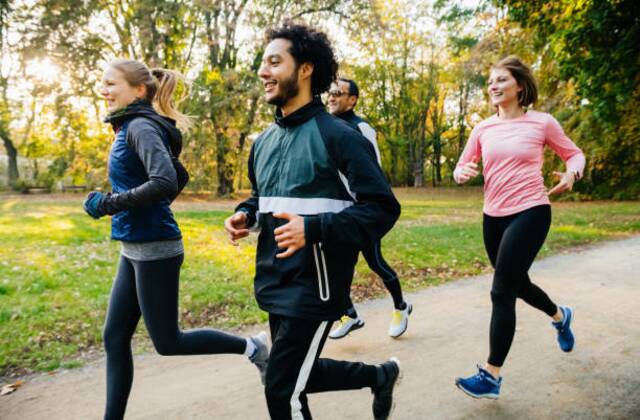
Physical activity is a powerful tool for managing anxiety. Exercise releases endorphins, which are natural mood lifters, and reduces stress hormones like cortisol. Regular physical activity can improve overall mood and energy levels.
4.2. Types of Exercise
- Aerobic Exercise: Activities such as walking, running, or cycling can help reduce anxiety by increasing heart rate and promoting the release of endorphins.
- Strength Training: Weightlifting or resistance exercises can also alleviate anxiety by improving self-esteem and reducing tension.
- Relaxation Exercises: Practices like yoga and tai chi combine physical movement with mindful breathing, offering both physical and mental health benefits.
4.3. Incorporating Exercise
Aim for at least 30 minutes of moderate exercise most days of the week. Choose activities you enjoy to make exercise a sustainable and enjoyable part of your routine.
5. Healthy Lifestyle Choices
5.1. Balanced Diet
A well-balanced diet can influence mood and anxiety levels. Include a variety of nutrient-rich foods, such as fruits, vegetables, whole grains, and lean proteins. Avoid excessive caffeine and alcohol, which can exacerbate anxiety.
5.2. Adequate Sleep
Quality sleep is crucial for managing anxiety. Aim for 7-9 hours of sleep per night and establish a consistent sleep schedule. Create a relaxing bedtime routine and avoid screens before bed to improve sleep quality.
5.3. Social Support
Connecting with friends, family, and support groups can provide emotional support and reduce feelings of isolation. Share your experiences and seek advice or comfort from trusted individuals.
6. Stress Management Techniques
6.1. Deep Breathing
Deep breathing exercises can help calm the nervous system and reduce anxiety. Practice deep breathing by inhaling slowly through your nose, holding for a few seconds, and exhaling slowly through your mouth.
6.2. Progressive Muscle Relaxation
Progressive muscle relaxation involves tensing and then relaxing different muscle groups to release physical tension. This technique can help alleviate the physical symptoms of anxiety and promote relaxation.
6.3. Time Management
Effective time management can reduce anxiety related to deadlines and responsibilities. Prioritize tasks, set realistic goals, and break tasks into manageable steps to avoid feeling overwhelmed.
Conclusion
Understanding and managing anxiety involves a combination of therapeutic approaches, lifestyle adjustments, and practical techniques. Cognitive Behavioral Therapy (CBT), mindfulness practices, physical activity, and healthy lifestyle choices all play a role in alleviating anxiety and promoting well-being. By incorporating these tools and techniques into your daily life, you can take proactive steps toward managing anxiety and enhancing your overall quality of life. If anxiety persists or becomes overwhelming, consider seeking professional help to receive personalized support and guidance.