
Table of Contents
A healthy home environment is essential for overall well-being. Your living space can significantly impact your mental and physical health, influencing stress levels, sleep quality, and general happiness. Creating a calm and relaxing space involves more than just aesthetics; it requires a thoughtful approach to design, organization, and daily habits. This article provides practical tips for fostering a healthy home environment that promotes tranquility and wellness.
1. Declutter and Organize
1.1. Minimize Clutter
Clutter can create stress and make a space feel chaotic. Start by decluttering your home and getting rid of items you no longer need. Keep surfaces clear and avoid accumulating unnecessary items. Regularly review your belongings and donate or dispose of things that no longer serve a purpose.
1.2. Implement Storage Solutions
Effective storage solutions help keep your home organized and tidy. Invest in shelving, storage bins, and closet organizers to maximize space and maintain order. Assign specific places for items and ensure that everything has a designated spot.
1.3. Create Zones
Designate different areas of your home for specific activities, such as work, relaxation, and exercise. Creating distinct zones helps improve focus and productivity, and it ensures that each space serves its intended purpose.
2. Incorporate Natural Elements
2.1. Bring in Plants
Indoor plants not only add beauty to your home but also improve air quality and create a calming atmosphere. Choose low-maintenance plants such as snake plants, peace lilies, or pothos. Place them in various rooms to enhance the environment and promote a sense of tranquility.

2.2. Use Natural Light
Natural light has a positive effect on mood and well-being. Maximize daylight by using light, airy curtains or blinds and keeping windows clean. Position your workspace near windows to benefit from natural light, and consider adding mirrors to reflect light and brighten rooms.
2.3. Choose Natural Materials
Incorporate natural materials into your home decor, such as wooden furniture, stone accents, and organic fabrics. These materials create a warm and inviting atmosphere and contribute to a sense of connection with nature.
3. Create a Relaxing Atmosphere
3.1. Choose Calming Colors
Color has a significant impact on mood and ambiance. Opt for calming colors such as soft blues, greens, and neutrals to create a soothing environment. Avoid overly bright or harsh colors that can be stimulating or overwhelming.
3.2. Use Aromatherapy
Aromatherapy can enhance relaxation and improve mood. Use essential oils, candles, or diffusers to fill your home with calming scents such as lavender, chamomile, or eucalyptus. Choose fragrances that you find soothing and enjoyable.
3.3. Incorporate Soft Textures
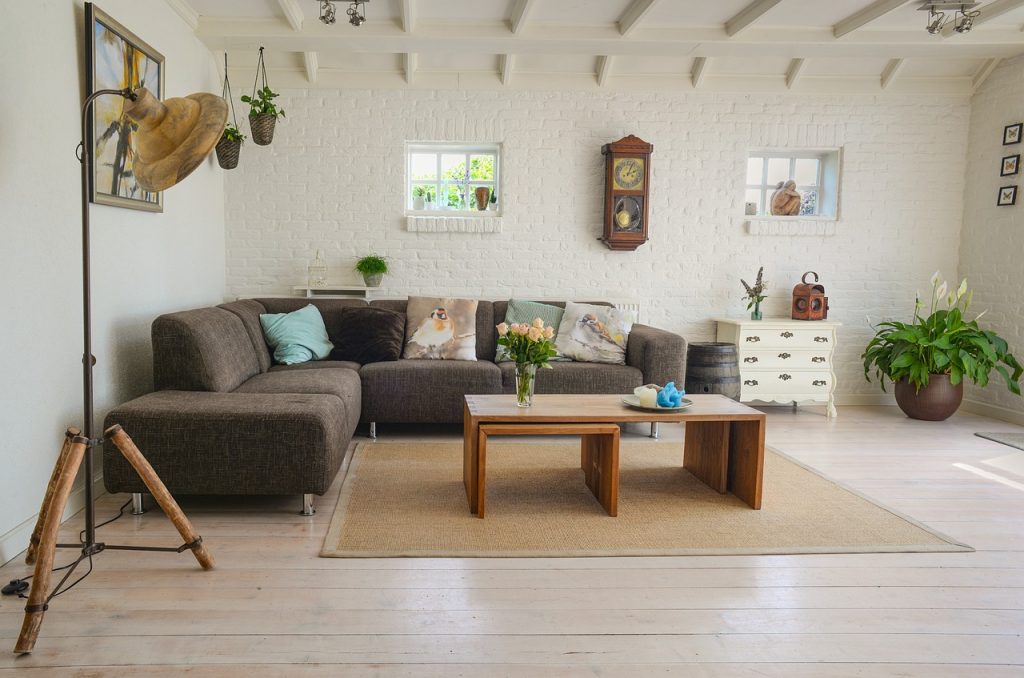
Soft textures contribute to a cozy and inviting space. Use plush rugs, soft throws, and comfortable cushions to add warmth and comfort to your home. Layering different textures creates a sense of depth and relaxation.
4. Maintain Air Quality
4.1. Ventilate Regularly
Good air quality is essential for a healthy home environment. Ensure proper ventilation by opening windows regularly to allow fresh air to circulate. Use exhaust fans in areas prone to moisture, such as the kitchen and bathroom.
4.2. Use Air Purifiers
Air purifiers can help remove allergens, dust, and pollutants from the air. Choose a purifier with a HEPA filter for effective cleaning. Place it in rooms where you spend the most time to improve air quality and reduce respiratory issues.
4.3. Keep Humidity in Check
Maintain optimal humidity levels to prevent mold growth and improve comfort. Use a dehumidifier in damp areas and ensure that your home’s ventilation system is functioning properly. Keep indoor plants in moderation to avoid excess moisture.
5. Create a Mindful Space
5.1. Designate a Relaxation Area
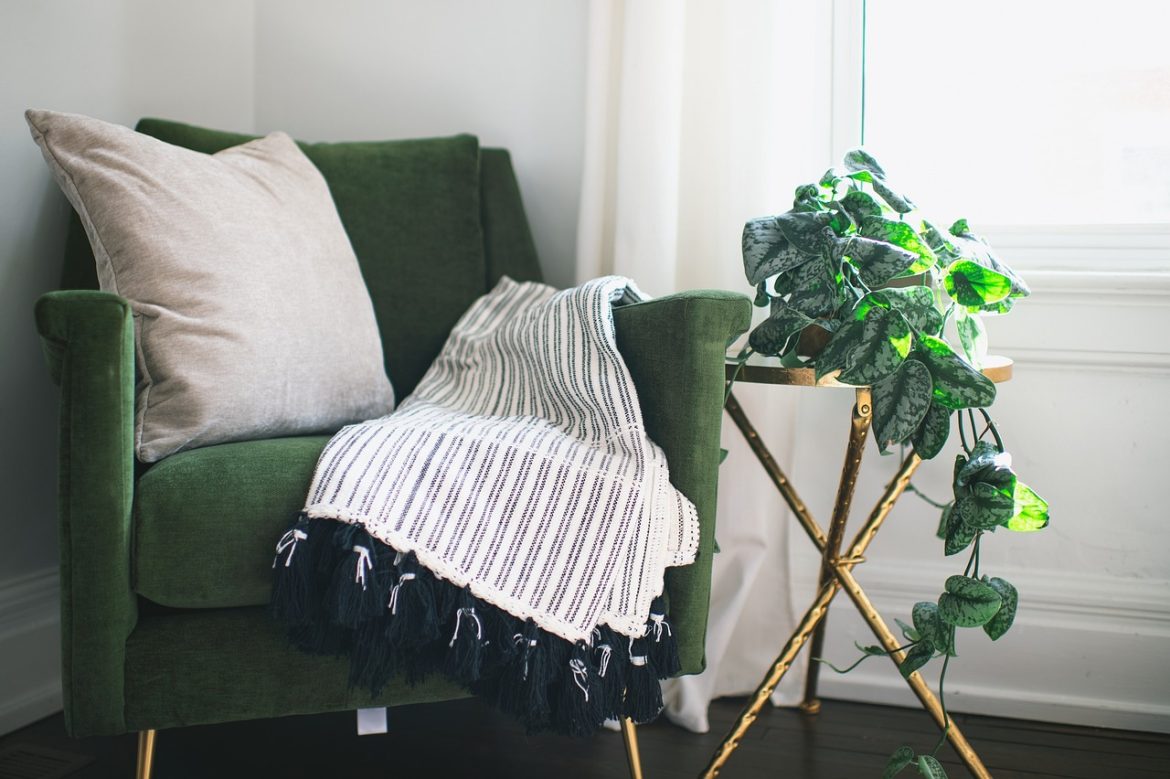
Create a dedicated space for relaxation and mindfulness. This could be a cozy reading nook, meditation corner, or a comfortable chair by the window. Furnish the area with items that promote relaxation, such as a soft blanket, calming artwork, or a small fountain.
5.2. Incorporate Personal Touches
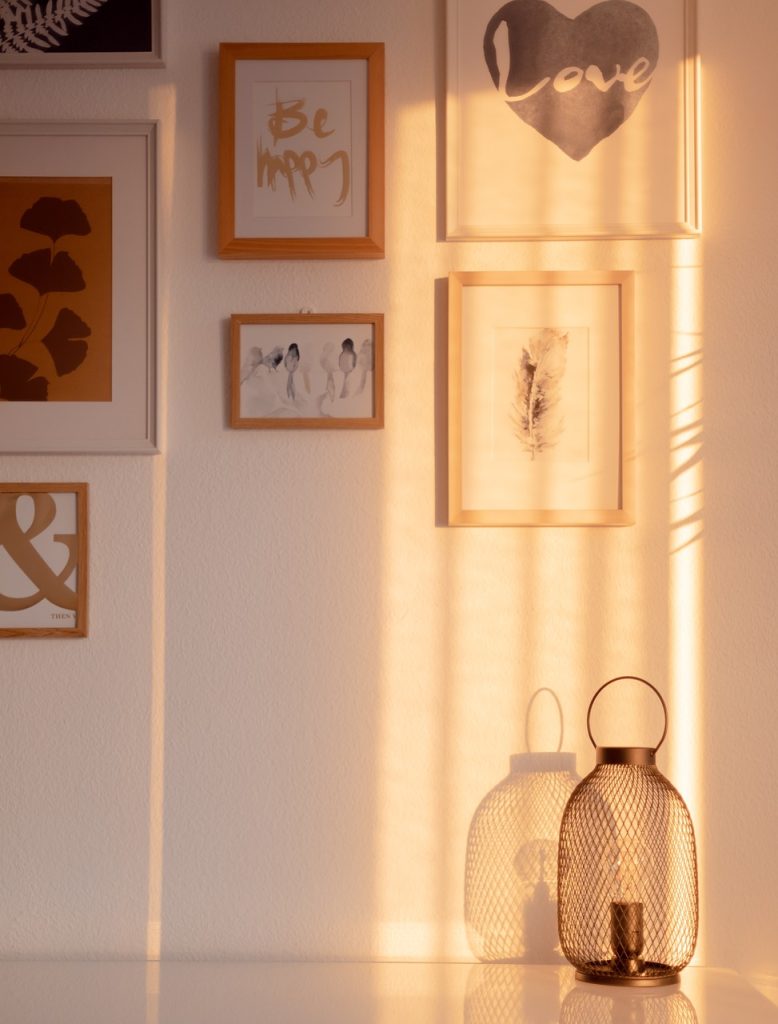
Personal touches make your home feel unique and comforting. Display photos, artwork, or mementos that bring you joy and positive memories. Surrounding yourself with meaningful items enhances your sense of well-being and connection to your space.
5.3. Practice Mindfulness
Incorporate mindfulness practices into your daily routine. Start or end your day with a few minutes of meditation, deep breathing, or stretching. Mindfulness helps reduce stress and promotes a sense of calm and balance.
6. Establish Healthy Routines
6.1. Create a Sleep-Friendly Environment
Quality sleep is crucial for overall health. Ensure that your bedroom is conducive to restful sleep by using comfortable bedding, keeping the room dark and quiet, and maintaining a cool temperature. Establish a consistent sleep schedule and create a relaxing bedtime routine.
6.2. Prioritize Healthy Eating
A healthy diet contributes to a positive home environment. Keep your kitchen organized and stocked with nutritious foods. Prepare meals and snacks that support your well-being, and create a designated dining area for mindful eating.
6.3. Incorporate Movement
Regular physical activity promotes physical and mental health. Designate a space for exercise or movement, whether it’s a home gym, yoga mat, or outdoor area. Incorporate movement into your daily routine to enhance your overall well-being.
Conclusion
Creating a healthy home environment involves thoughtful planning and attention to detail. By decluttering, incorporating natural elements, and fostering a relaxing atmosphere, you can transform your living space into a sanctuary of calm and well-being. Maintaining good air quality, creating mindful spaces, and establishing healthy routines further contribute to a positive and supportive home environment. Embrace these tips to create a space that nurtures your physical, mental, and emotional health, and enjoy the benefits of a tranquil and harmonious home.