

Table of Contents
In an era of growing environmental awareness, sustainable living has become a crucial focus for individuals and communities alike. The impact of human activities on the planet is undeniable, from climate change to resource depletion. Adopting a sustainable lifestyle is not only about making grand gestures but also involves integrating small, everyday changes that collectively contribute to a healthier planet. This guide explores practical steps you can take to live more sustainably and make a positive impact on the environment.
Understanding Sustainable Living
1. What is Sustainable Living?
Sustainable living refers to making choices and adopting practices that minimize harm to the environment and promote the well-being of future generations. It encompasses various aspects of daily life, including energy use, waste management, food consumption, and transportation. The goal is to reduce your ecological footprint by using resources more efficiently and making conscious decisions that support environmental stewardship.

1.1. The Three Pillars of Sustainability
Sustainable living is often guided by three key principles:
- Environmental Protection: Reducing the negative impact on natural ecosystems and resources.
- Economic Viability: Supporting practices that promote long-term economic stability and growth.
- Social Equity: Ensuring fair and equitable treatment for all people and communities.
Small Changes for a Greener Planet
2. Energy Efficiency
2.1. Upgrade to Energy-Efficient Appliances
One of the most effective ways to reduce your energy consumption is by investing in energy-efficient appliances. Look for products with the ENERGY STAR label, which indicates that they meet high standards for energy efficiency. These appliances use less energy, resulting in lower utility bills and a reduced carbon footprint.
2.2. Use Smart Thermostats
Smart thermostats can optimize your home’s heating and cooling systems by adjusting temperatures based on your schedule and preferences. By using a smart thermostat, you can save energy and reduce your heating and cooling costs while maintaining a comfortable living environment.
3. Waste Reduction
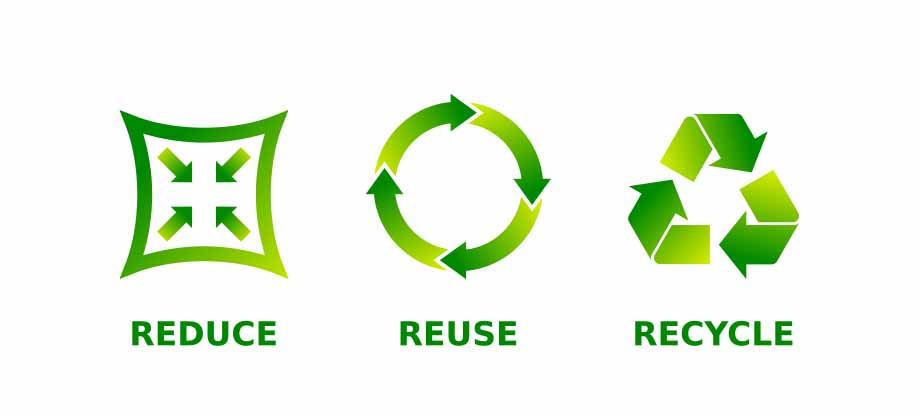
3.1. Practice the 3 R’s: Reduce, Reuse, Recycle
Minimizing waste starts with the 3 R’s:
- Reduce: Cut down on the amount of waste you generate by making mindful purchasing decisions and avoiding single-use products.
- Reuse: Repurpose items whenever possible instead of discarding them. For example, use glass jars for storage or donate old clothing to charity.
- Recycle: Properly sort and recycle materials such as paper, plastic, and glass. Familiarize yourself with your local recycling guidelines to ensure that materials are disposed of correctly.
3.2. Compost Organic Waste
Composting is an effective way to reduce organic waste and enrich soil. Set up a compost bin in your yard or use a countertop composting system to process food scraps and yard waste. Composting not only reduces landfill waste but also creates nutrient-rich compost that can improve garden soil.
4. Sustainable Transportation
4.1. Opt for Public Transportation or Carpooling
Reducing reliance on personal vehicles can significantly cut greenhouse gas emissions. Use public transportation, carpool with others, or consider ride-sharing services to minimize the number of vehicles on the road. These options help reduce traffic congestion and lower your carbon footprint.
4.2. Embrace Cycling or Walking
For shorter trips, consider cycling or walking instead of driving. These eco-friendly modes of transportation promote physical health and reduce emissions. Investing in a good-quality bike and appropriate gear can make cycling a practical and enjoyable alternative.
5. Eco-Friendly Eating
5.1. Choose Local and Seasonal Foods
Supporting local farmers and eating seasonal produce reduces the environmental impact associated with long-distance food transportation. Visit farmers’ markets, join a community-supported agriculture (CSA) program, or grow your own fruits and vegetables to enjoy fresh, locally-sourced food.
5.2. Reduce Meat Consumption
The production of meat has a significant environmental impact due to factors such as land use, water consumption, and greenhouse gas emissions. Incorporate more plant-based meals into your diet and explore vegetarian or vegan options. Reducing meat consumption can lower your carbon footprint and contribute to a more sustainable food system.
6. Water Conservation
6.1. Fix Leaks and Install Water-Saving Fixtures
Leaky faucets and toilets can waste significant amounts of water. Regularly check for leaks and repair them promptly. Additionally, install water-saving fixtures such as low-flow showerheads and faucets to reduce water consumption without sacrificing performance.

6.2. Practice Efficient Water Use
Adopt water-saving practices in your daily routine. For example, take shorter showers, turn off the tap while brushing your teeth, and use a broom instead of a hose to clean driveways and sidewalks. These small changes can collectively make a big difference in conserving water resources.
7. Sustainable Home Improvement
7.1. Use Eco-Friendly Building Materials
When renovating or building, choose eco-friendly materials that have a lower environmental impact. Options include recycled or reclaimed materials, low-VOC paints, and sustainable wood products. These materials are often more energy-efficient and have a smaller ecological footprint.
7.2. Improve Home Insulation
Enhancing your home’s insulation can reduce energy consumption and improve comfort. Proper insulation helps maintain consistent indoor temperatures, reducing the need for heating and cooling. Consider insulating walls, floors, and ceilings to increase energy efficiency.
Building a Sustainable Lifestyle
8. Educate Yourself and Others
Stay informed about sustainability issues and share your knowledge with others. Participate in community events, workshops, and discussions focused on environmental topics. By educating yourself and others, you contribute to a broader movement toward sustainable living.
8.1. Support Green Initiatives
Support businesses and organizations that prioritize sustainability. Look for companies with eco-friendly practices and products, and consider volunteering or donating to environmental causes. Your support helps drive positive change and promotes sustainable practices on a larger scale.
Conclusion
Sustainable living is a journey that begins with small, intentional changes in our daily lives. By adopting energy-efficient practices, reducing waste, and making mindful choices, we can collectively contribute to a greener planet. Every small action counts, and when combined, these efforts can lead to significant environmental benefits. Embrace the principles of sustainability, make conscious decisions, and inspire others to join the movement toward a more sustainable future. Together, we can create a positive impact on the planet and ensure a healthier environment for future generations.