Table of Contents
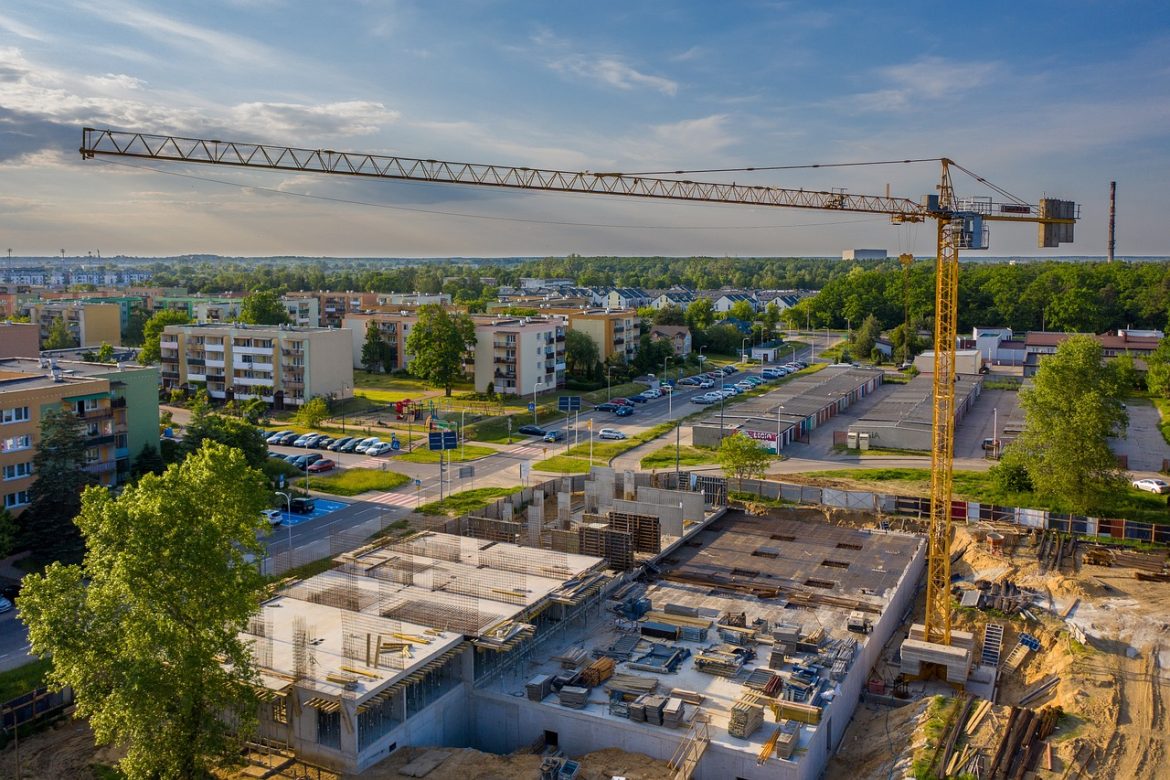
Urbanization—the process of population shift from rural to urban areas—has been a defining feature of modern development. As cities expand and evolve, they undergo significant transformations that reshape their landscapes, economies, and social dynamics. This article explores how urbanization is transforming city landscapes, focusing on the benefits and challenges that accompany this phenomenon.
The Growth of Cities
1. Historical Context
Urbanization is not a new concept; cities have been centers of civilization for millennia. Ancient cities like Rome, Athens, and Babylon were hubs of commerce, culture, and governance. However, the scale and speed of urbanization in recent centuries have been unprecedented. The Industrial Revolution, beginning in the 18th century, accelerated urban growth as people moved from agricultural communities to industrial centers in search of better opportunities.
1.1. Modern Urbanization Trends
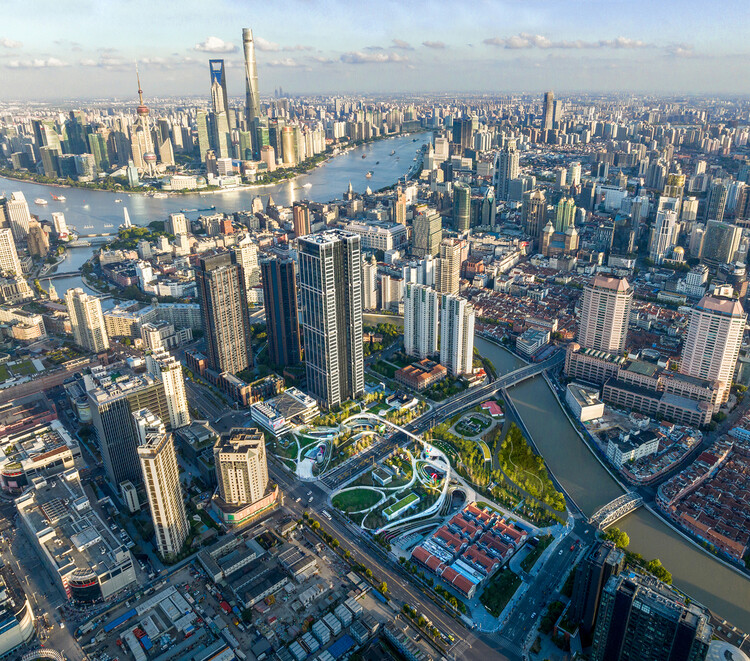
Today, urbanization continues to surge globally. According to the United Nations, over 56% of the world’s population resides in urban areas, a figure that is expected to rise to 68% by 2050. This rapid urban growth has led to the development of megacities—urban centers with populations exceeding 10 million people. Cities like Tokyo, New York, and Shanghai exemplify the scale of contemporary urbanization.
Transformations in City Landscapes
2. Vertical Expansion
2.1. Skyscrapers and High-Rise Buildings
One of the most visible signs of urban transformation is the proliferation of skyscrapers and high-rise buildings. As land becomes scarce and expensive, cities are expanding vertically. Skyscrapers not only provide space for residential, commercial, and office use but also symbolize a city’s economic power and modernity. Cities like Dubai and Hong Kong are renowned for their impressive skylines, which reflect their rapid urban development.
2.2. Mixed-Use Developments
Modern urban planning increasingly emphasizes mixed-use developments, where residential, commercial, and recreational spaces are integrated into single buildings or complexes. This approach maximizes land use efficiency and fosters vibrant, walkable neighborhoods. Examples include urban villages and live-work-play environments that blend living spaces with amenities and workplaces.
3. Infrastructure and Transportation
3.1. Expanding Public Transit Systems
With growing populations, cities are investing in expanding and modernizing their public transportation systems. Efficient public transit—such as subways, light rail, and buses—reduces traffic congestion, lowers pollution levels, and enhances connectivity. Cities like New York, London, and Tokyo have extensive public transit networks that serve millions of passengers daily.
3.2. Smart Transportation Solutions
Emerging technologies are transforming urban transportation. Smart grids, autonomous vehicles, and electric scooters are reshaping how people move within cities. These innovations aim to reduce emissions, improve traffic flow, and enhance overall mobility. Cities are increasingly adopting these technologies to create more sustainable and efficient transportation systems.
4. Green Spaces and Sustainability
4.1. Incorporating Green Spaces
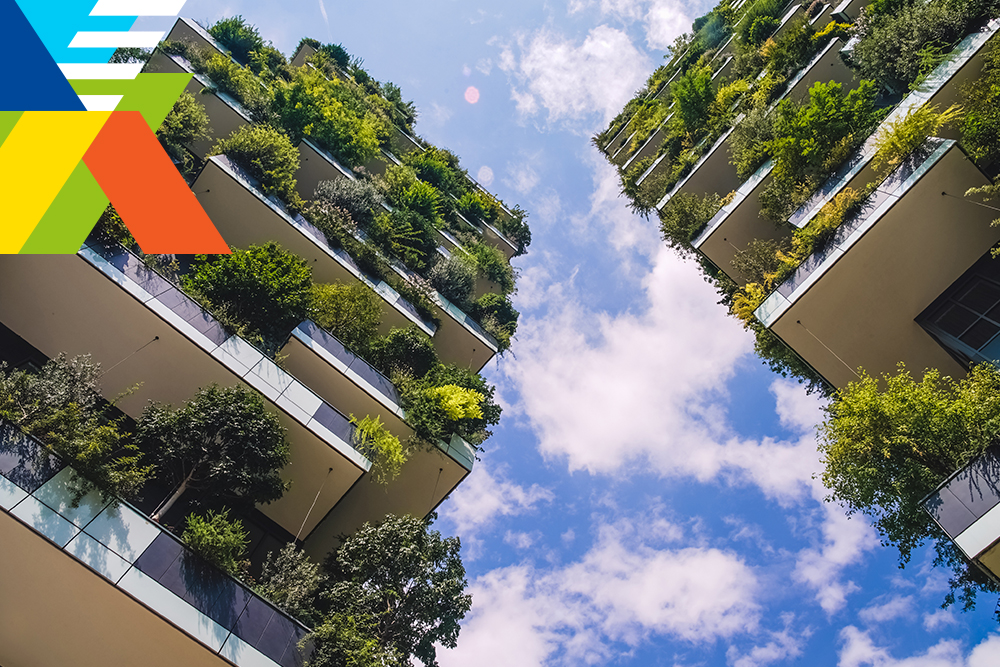
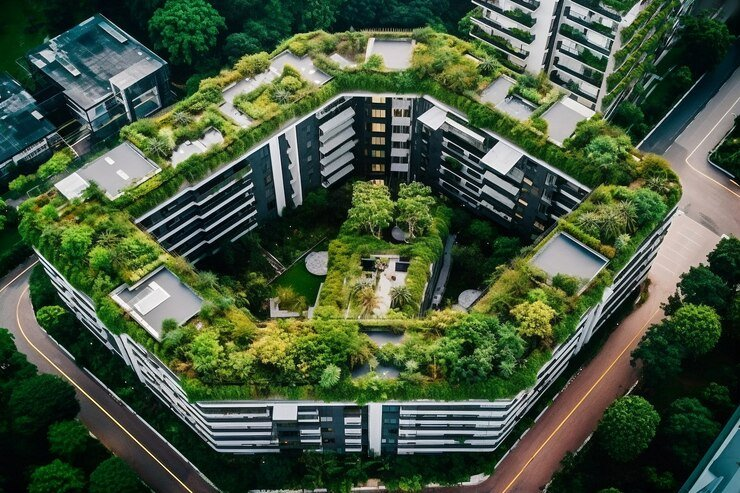
As urban areas become denser, there is a growing emphasis on integrating green spaces into city planning. Parks, green roofs, and urban gardens provide essential recreational areas, improve air quality, and support biodiversity. Initiatives such as New York’s High Line and Singapore’s Gardens by the Bay showcase how cities are creatively incorporating nature into urban environments.
4.2. Sustainable Urban Design
Sustainability is a key consideration in modern urban design. Cities are adopting green building standards, renewable energy sources, and water conservation measures to minimize their environmental impact. Sustainable design principles, such as passive solar heating and energy-efficient building materials, are increasingly being integrated into new developments and retrofits.
Challenges of Urbanization
5. Overcrowding and Infrastructure Strain
5.1. Housing Shortages
Rapid urban growth can lead to housing shortages and increased property prices. As demand for housing outstrips supply, affordability becomes a major issue, particularly for low-income residents. Informal settlements or slums often emerge as a response to inadequate housing options. Addressing housing affordability and ensuring equitable access to housing is a significant challenge for many cities.
5.2. Strain on Infrastructure
The rapid influx of residents places immense pressure on existing infrastructure, including transportation, utilities, and healthcare services. Cities must continuously upgrade and expand their infrastructure to meet the needs of growing populations. Failure to do so can result in traffic congestion, inadequate public services, and deteriorating quality of life.
6. Environmental Impact
6.1. Urban Heat Islands
Urbanization contributes to the urban heat island effect, where cities experience higher temperatures than their rural surroundings due to human activities and infrastructure. This phenomenon can exacerbate heatwaves and increase energy consumption for cooling. Mitigating the urban heat island effect requires implementing strategies such as increasing vegetation and using reflective materials.
6.2. Pollution and Waste Management
Cities are major sources of air, water, and noise pollution. Managing waste and reducing emissions are critical challenges for urban areas. Many cities are investing in waste-to-energy technologies, recycling programs, and stricter pollution controls to address these issues. However, balancing growth with environmental stewardship remains a complex task.
The Future of Urbanization
7. Resilient and Adaptive Cities
7.1. Climate Resilience
As climate change poses increasing risks, cities are focusing on building resilience to extreme weather events and environmental changes. Strategies include developing flood defenses, enhancing infrastructure resilience, and promoting climate-smart urban planning. Building resilient cities will be crucial for adapting to future challenges and protecting urban populations.
7.2. Inclusive Urban Development
Future urbanization efforts must prioritize inclusivity and equity. Ensuring that all residents have access to affordable housing, quality public services, and economic opportunities is essential for creating vibrant, equitable cities. Engaging communities in the planning process and addressing social disparities will be key to successful urban development.
Conclusion
Urbanization is transforming city landscapes in profound ways, shaping the physical environment, infrastructure, and social fabric of urban areas. While the benefits of urban growth include economic opportunities, enhanced connectivity, and improved quality of life, challenges such as overcrowding, environmental impact, and infrastructure strain must be addressed. By adopting sustainable practices, innovative technologies, and inclusive planning approaches, cities can navigate the complexities of urbanization and build resilient, thriving urban environments for the future.