
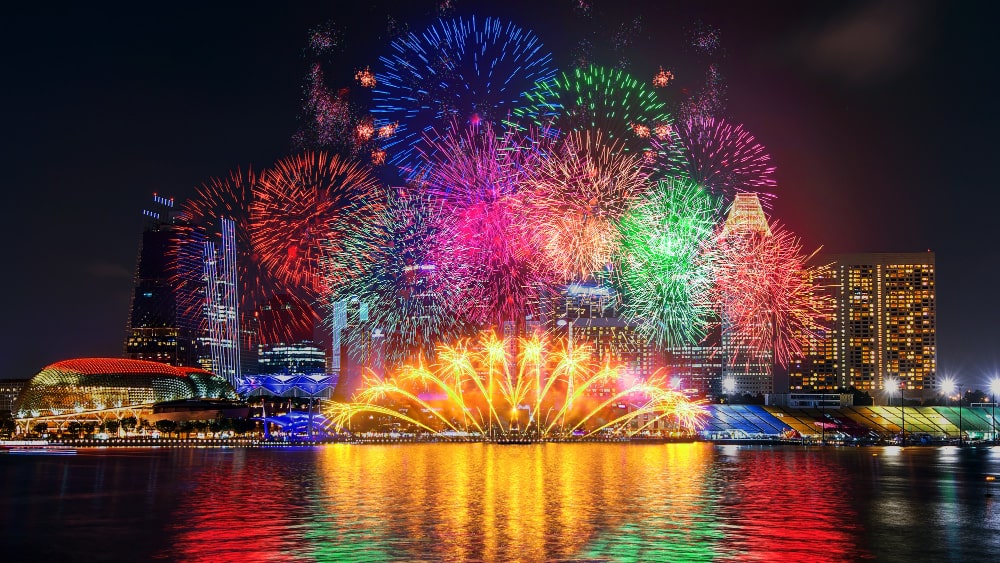
Festivals and traditions are integral to the cultural fabric of societies around the world. They offer a window into the historical and social contexts of various communities, reflecting their values, beliefs, and collective experiences. From ancient rites to contemporary celebrations, major world festivals and traditions have evolved over time, influencing and enriching the lives of millions. This article explores the history and impact of some of the most significant global festivals and traditions, highlighting their origins, significance, and contributions to cultural heritage.
1. Diwali – The Festival of Lights
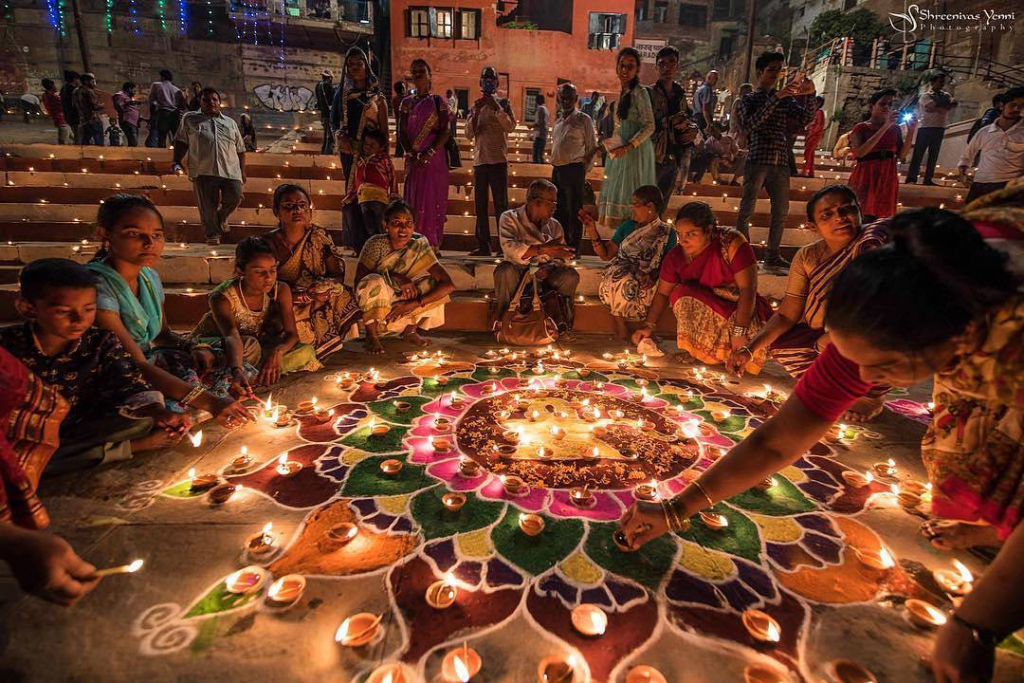
Originating in India, Diwali, also known as Deepavali, is one of the most widely celebrated festivals in the Hindu calendar. The festival, which usually falls between October and November, marks the victory of light over darkness and good over evil. Its origins are rooted in various Hindu legends, including the return of Lord Rama to Ayodhya after his victory over the demon king Ravana and the lighting of lamps to celebrate his homecoming.
Diwali is celebrated with great enthusiasm through the lighting of oil lamps, bursting of fireworks, and the sharing of sweets and gifts. The festival’s impact extends beyond religious and cultural boundaries, promoting community bonding and economic activity, as it stimulates consumer spending on goods such as clothing, sweets, and fireworks.
2. Carnival – The Pre-Lenten Celebration
Carnival is a festive season that precedes Lent in many Christian traditions, particularly in countries with strong Catholic influences. The most famous Carnival celebrations take place in Rio de Janeiro, Brazil, where the festival is renowned for its vibrant parades, elaborate costumes, and samba music. The origins of Carnival can be traced back to ancient pagan festivals celebrating the arrival of spring, which were later incorporated into Christian practices.
Carnival has a significant impact on local economies, particularly in tourism and entertainment. It brings together diverse communities, fosters artistic expression, and creates a sense of unity and pride. The festival’s lively and inclusive nature also serves as a platform for social and political commentary, reflecting the dynamic spirit of the communities that celebrate it.
3. Chinese New Year – The Lunar New Year Festival
Chinese New Year, also known as the Spring Festival, is one of the most important traditional festivals in China and among Chinese communities worldwide. Celebrated based on the lunar calendar, it usually falls between January 21 and February 20. The festival marks the beginning of the new lunar year and is associated with various customs and traditions, including family reunions, feasting, and the performance of lion and dragon dances.
The history of Chinese New Year dates back over 4,000 years, with roots in ancient agricultural practices and myths, such as the legend of Nian, a mythical beast feared by villagers. The festival’s impact is significant both culturally and economically, as it involves extensive travel, large-scale celebrations, and a boost in consumer spending on gifts, decorations, and food.
4. Oktoberfest – The World’s Largest Beer Festival
Oktoberfest, held annually in Munich, Germany, is the world’s largest beer festival, attracting millions of visitors from around the globe. Originating in 1810 as a royal wedding celebration for Crown Prince Ludwig and Princess Therese, the festival has evolved into a major cultural event celebrated with traditional Bavarian music, food, and, of course, beer.
Oktoberfest’s impact is far-reaching, influencing global beer culture and tourism. It provides a platform for showcasing Bavarian traditions and cuisine, fostering cultural exchange, and contributing significantly to Munich’s economy. The festival also highlights the role of local traditions in shaping global cultural phenomena.
5. Mardi Gras – The Carnival of New Orleans
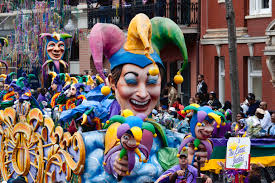
Mardi Gras, also known as Fat Tuesday, is a lively festival celebrated in New Orleans, Louisiana, and other parts of the world with French Catholic heritage. The festival is characterized by colorful parades, masquerade balls, and festive music, and it marks the culmination of the Carnival season before the start of Lent.
The origins of Mardi Gras can be traced back to ancient European pre-Lenten celebrations, which were brought to the Americas by French settlers. Today, Mardi Gras is a significant cultural and economic event in New Orleans, reflecting the city’s rich cultural diversity and creativity. It also serves as a major tourist attraction, contributing to the local economy and showcasing the vibrant cultural heritage of the region.
6. Rio de Janeiro’s Carnival – A Global Phenomenon
Rio de Janeiro’s Carnival is a world-renowned festival known for its spectacular samba parades, dazzling costumes, and vibrant street parties. Held annually before Lent, the festival has its roots in Afro-Brazilian traditions and European carnival practices. The modern iteration of Rio’s Carnival began in the early 20th century and has since become a symbol of Brazilian culture and identity.
The festival’s impact is multifaceted, promoting cultural expression, tourism, and community engagement. It serves as a platform for social commentary and artistic innovation, reflecting the dynamic and diverse nature of Brazilian society. Rio’s Carnival also highlights the role of festivals in fostering international cultural exchange and understanding.
7. Hanukkah – The Festival of Lights
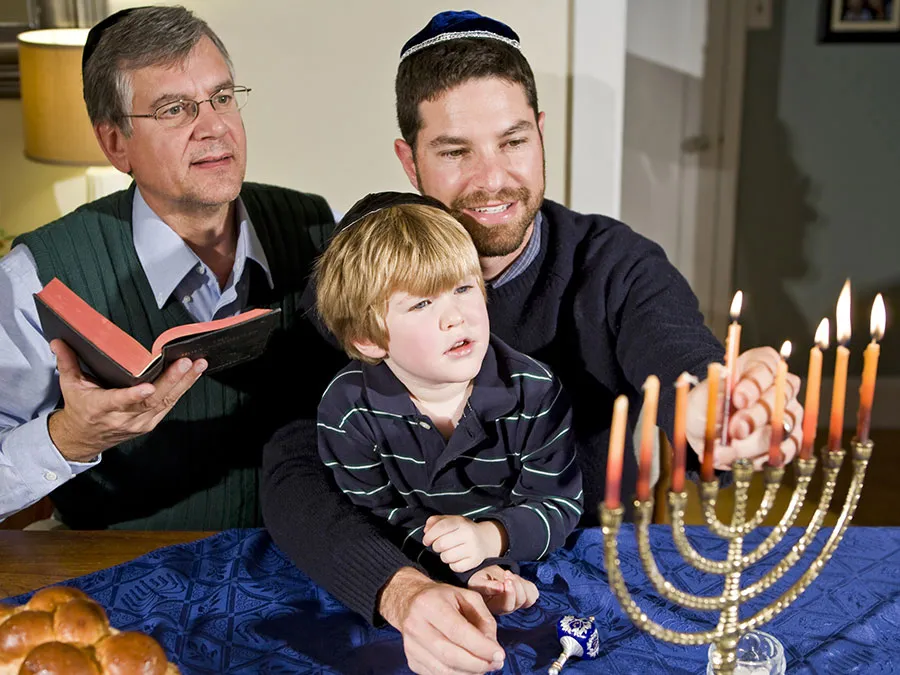
Hanukkah, also known as the Festival of Lights, is a Jewish holiday commemorating the rededication of the Second Temple in Jerusalem during the Maccabean Revolt. Celebrated for eight days in December, Hanukkah is marked by lighting the menorah, playing dreidel games, and eating traditional foods such as latkes and sufganiyot.
The history of Hanukkah dates back to the 2nd century BCE and reflects themes of religious freedom and resilience. The festival’s impact extends beyond its religious significance, as it fosters cultural continuity and unity within the Jewish community. It also contributes to the broader cultural landscape by promoting awareness and understanding of Jewish traditions.
Conclusion
Major world festivals and traditions offer rich insights into the cultural, social, and historical contexts of different societies. From Diwali’s celebration of light to Oktoberfest’s showcasing of Bavarian heritage, these events play a vital role in preserving cultural identities, fostering community spirit, and contributing to economic vitality. By understanding the history and impact of these festivals, we gain a deeper appreciation for the diverse ways in which people around the world celebrate and connect with their heritage.